Cultural Cooperation
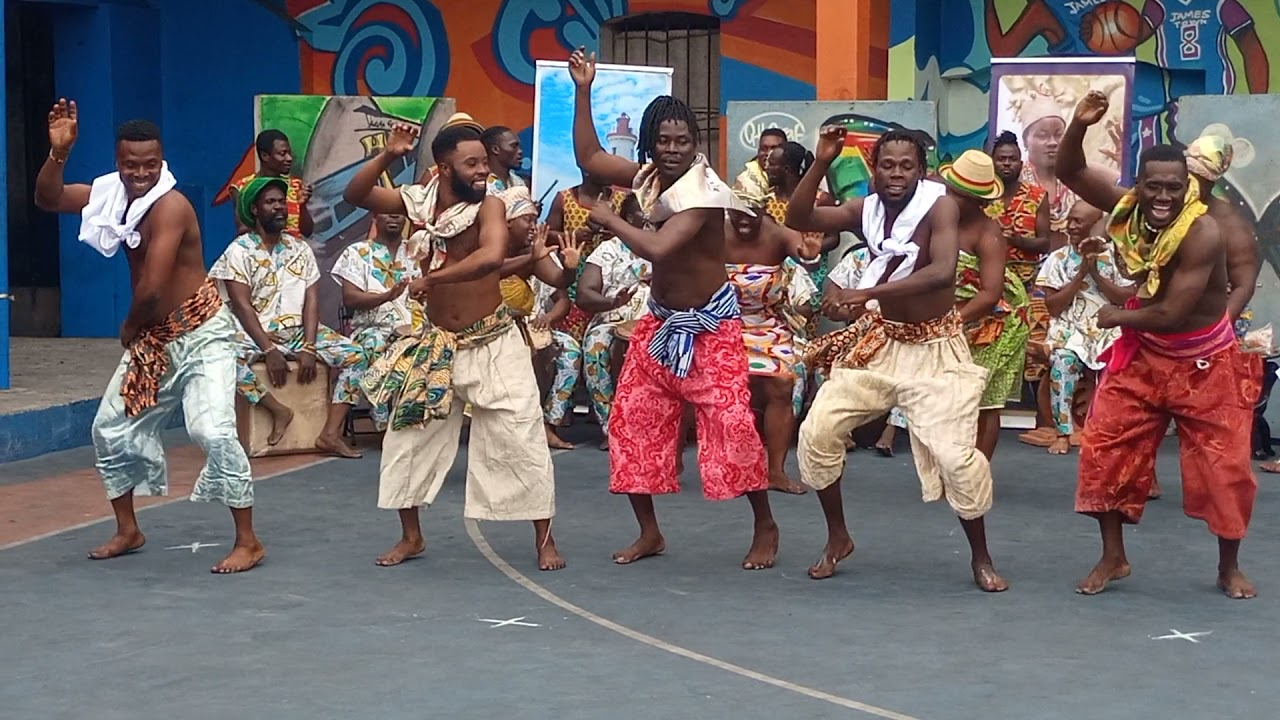
Preserving and promoting Ewe culture is central to this goal. It includes the traditions, language, and values of the Ewe, which are essential components of their identity.
- Language Promotion: The Ewe language should be systematically taught in schools and universities in Ghana and Togo to ensure its dissemination. Language courses and teaching materials should also be made available beyond the region.
- Cultural Events: Traditional festivals such as the "Hogbetsotso" festival could be expanded into cross-border events to strengthen cultural ties.
- Cultural Centers: Institutions in each region could support the preservation of Ewe art, music, and literature. They could serve as hubs for cultural exchange.
Economic Integration
A strong, integrated economic area forms the foundation for prosperity and stability in the region.
- Common Economic Zone: The creation of a special free trade zone should eliminate trade barriers and facilitate economic cooperation.
- Investment Promotion: Joint development plans should create incentives for domestic and foreign investors.
- Agricultural Support: Collaboration among farmers could introduce sustainable agricultural practices, making the region more resilient to climatic and economic challenges.
- Tourism: Tourism could become a key industry through cross-border travel offers highlighting the region's nature and culture.
Education and Research
Education is the key to the long-term development of the Africa Region Eweland.
- Cross-border Educational Institutions: Universities and schools could offer joint programs tailored to the region's needs, such as agriculture, technology, and entrepreneurship.
- Research: Scientific collaboration could focus on topics such as sustainable development, healthcare, and climate adaptation.
- Vocational Training: Specific training programs could be developed to strengthen local skills and meet regional labor demands.
Social Network
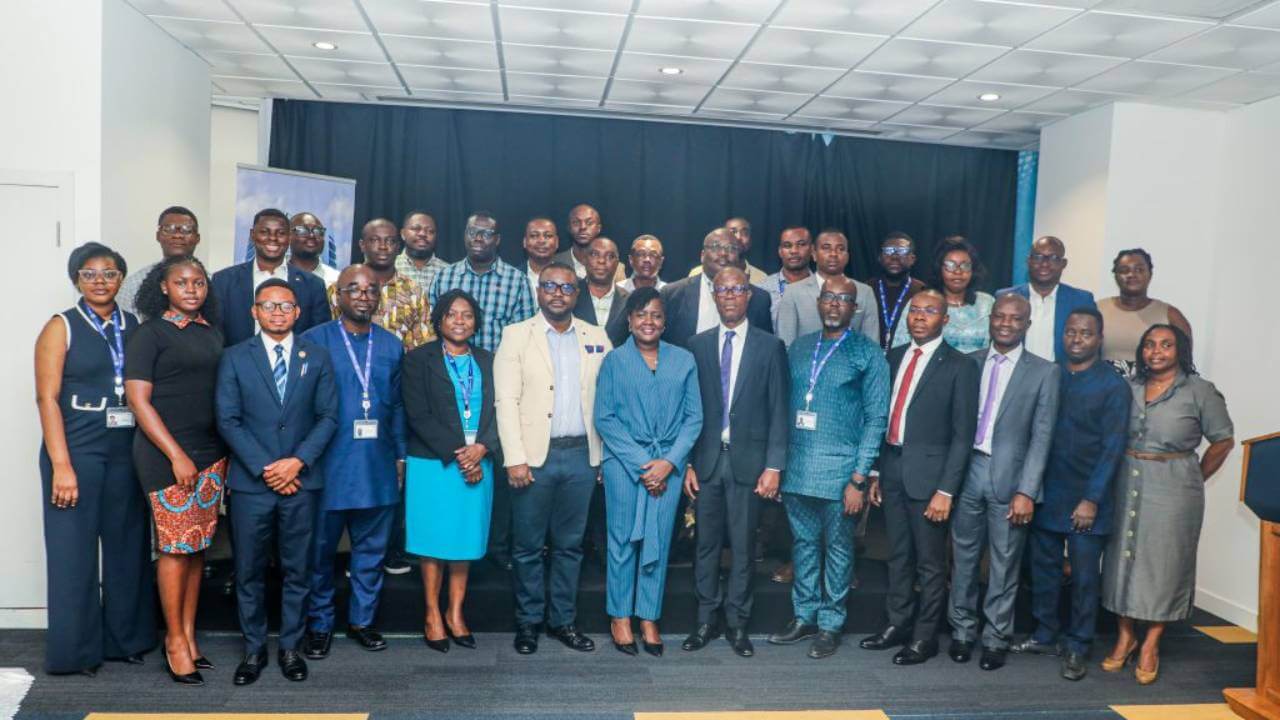
A strong social network is essential to foster cross-border cohesion among the people in the region.
- Community Projects: Initiatives such as joint health and social projects could improve the quality of life in the region.
- Youth Exchange: Programs promoting cultural and social exchanges among young people could help create a new cross-border generation of leaders.
- Cultural Platforms: Online and offline platforms could be established to facilitate exchanges and dialogue between regions.
Infrastructure Development
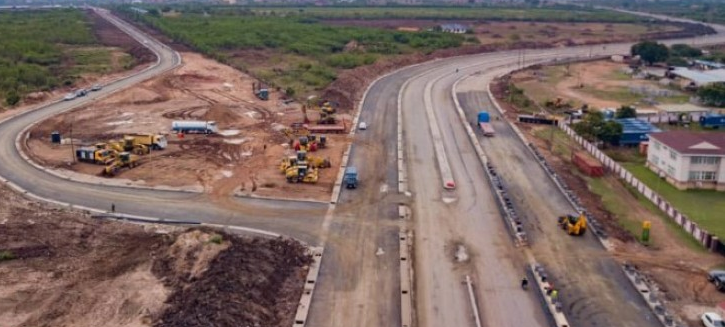
Physical and digital infrastructure is a prerequisite for the integration and development of the region.
- Transport Connections: Expanding roads, railways, and bridges between regions could facilitate trade and mobility.
- Communication Infrastructure: Broadband internet and mobile networks should be expanded to promote access to information and technology.
- Energy Projects: Joint investments in traditional and renewable energy sources could ensure a stable power supply.
Peace Promotion
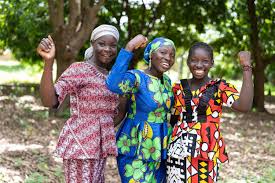
Sustainable peace is a fundamental requirement for the development of the Africa Region Eweland.
- Dialogue and Reconciliation: Platforms for dialogue could address historical conflicts between regions and communities and contribute to harmonious coexistence.
- Joint Security Initiatives: Cooperation in security policy could combat cross-border crime and enhance regional security.
- Peace Education: Schools could introduce programs that teach the value of peace and cooperation to prevent future conflicts.
Joint Office
The joint office of the Africa Region Eweland would serve as an operational center and ensure effective regional task distribution.
- Locations: Main offices could be established in Ho (Ghana), Lomé (Togo), and Kpalimé (Togo) to maintain geographical balance and facilitate access for different population groups.
- Function: These offices should coordinate projects, facilitate communication between regions, and manage institutional processes. They could also serve as contact points for citizens and information centers for local businesses and organizations.
- Collaboration: To create synergies, the offices should be closely networked and hold regular meetings between locations.
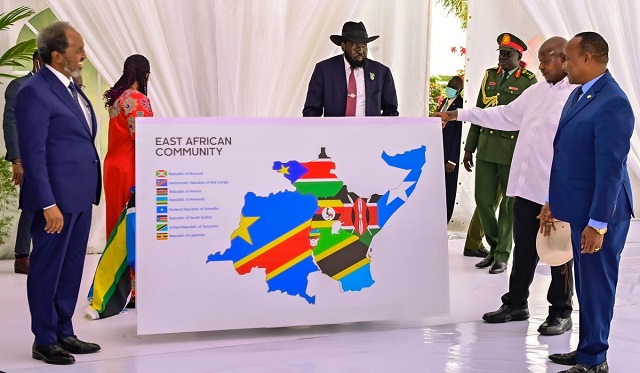
Council of the Africa Region Eweland
The council would function as the central decision-making body, setting the strategic guidelines for the region.
- Composition: The council could include representatives from the three participating regions (Volta Region, Maritime, and Plateau), including government officials, traditional leaders, community representatives, and civil society organizations. This diversity would ensure that various interests and perspectives are considered.
- Tasks: The council would make decisions on cross-border projects, resource allocation, and the strategic direction of the Africa Region Eweland. It could also establish and oversee conflict resolution mechanisms.
- Rotation Principle: To ensure fairness, the council presidency could rotate among the regions at regular intervals, allowing each region to take the lead periodically.
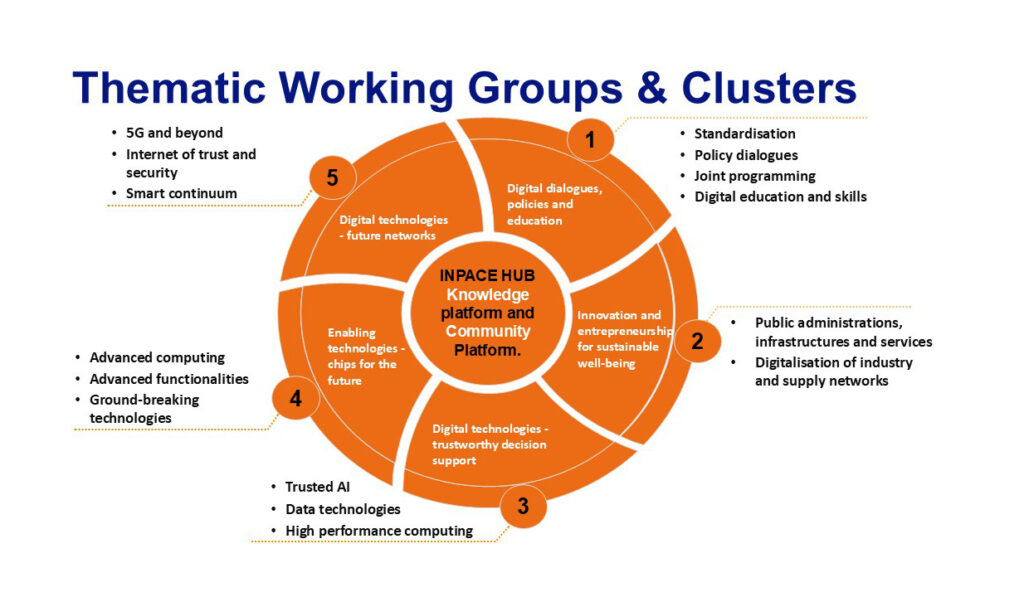
Thematic Working Groups
Working groups focused on specific topics would be essential for effectively implementing the region’s objectives.
- Areas: Key topics could include economy, education, culture, infrastructure, and peace. Each working group would focus on planning and implementing projects within its respective field.
- Composition: Each working group should include experts, government representatives, civil society members, and international partners to ensure well-informed and practical project development.
- Flexibility: The working groups could be established on a project basis and dissolved as needed, allowing for dynamic adaptation to current challenges.
Funding Programs
A crucial component of the Africa Region Eweland would be the establishment of a fund to financially support cross-border projects.
- Financing: The fund could be sourced from international organizations such as the European Union (EU), the African Union (AU), and ECOWAS, as well as private investments and donations.
- Purpose: The funds could be used for infrastructure development, educational institutions, cultural projects, and peace promotion initiatives.
- Transparency: A transparent mechanism for applying and awarding funds would ensure effective project implementation that meets the needs of the population.
- Partnerships: Engaging international partners could not only secure financial support but also provide technical expertise and resources.
Conclusion: Institutional Strength as a Key to Success
The institutional structure of the Africa Region Eweland would lay a solid foundation for cross-border cooperation. A combination of a joint office, a representative council, specialized working groups, and a well-equipped fund would enable the region to achieve its goals efficiently. This structure could also serve as a model for other African regions facing similar challenges, paving the way for a more united and cooperative Africa.
Common Economic Area
Establishing a free trade and investment zone is a key objective for fostering economic growth and cooperation:
- Eliminating Trade Barriers: Customs exemptions and simplified border crossings could significantly facilitate trade between regions, particularly benefiting agricultural products and handicrafts.
- Harmonization of Policies: Standardizing trade, tax, and investment laws could encourage businesses to operate across borders and attract investments.
- Export Promotion: A common market could enhance the global positioning of products from the Africa Region Eweland.
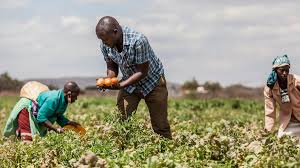
Agricultural Sector Cooperation
Agriculture is a key industry in the region, playing a central role in food security and livelihoods:
- Sustainable Agriculture: Joint programs could promote sustainable farming methods, prevent soil erosion, protect water resources, and increase agricultural productivity.
- Knowledge Transfer: Regions could learn from each other by sharing best practices and technological innovations.
- Value Chains: Developing regional value chains could ensure that agricultural products are processed and marketed locally, creating jobs and strengthening the economy.
- Climate Protection: Joint climate adaptation strategies could enhance agricultural resilience to droughts and floods.
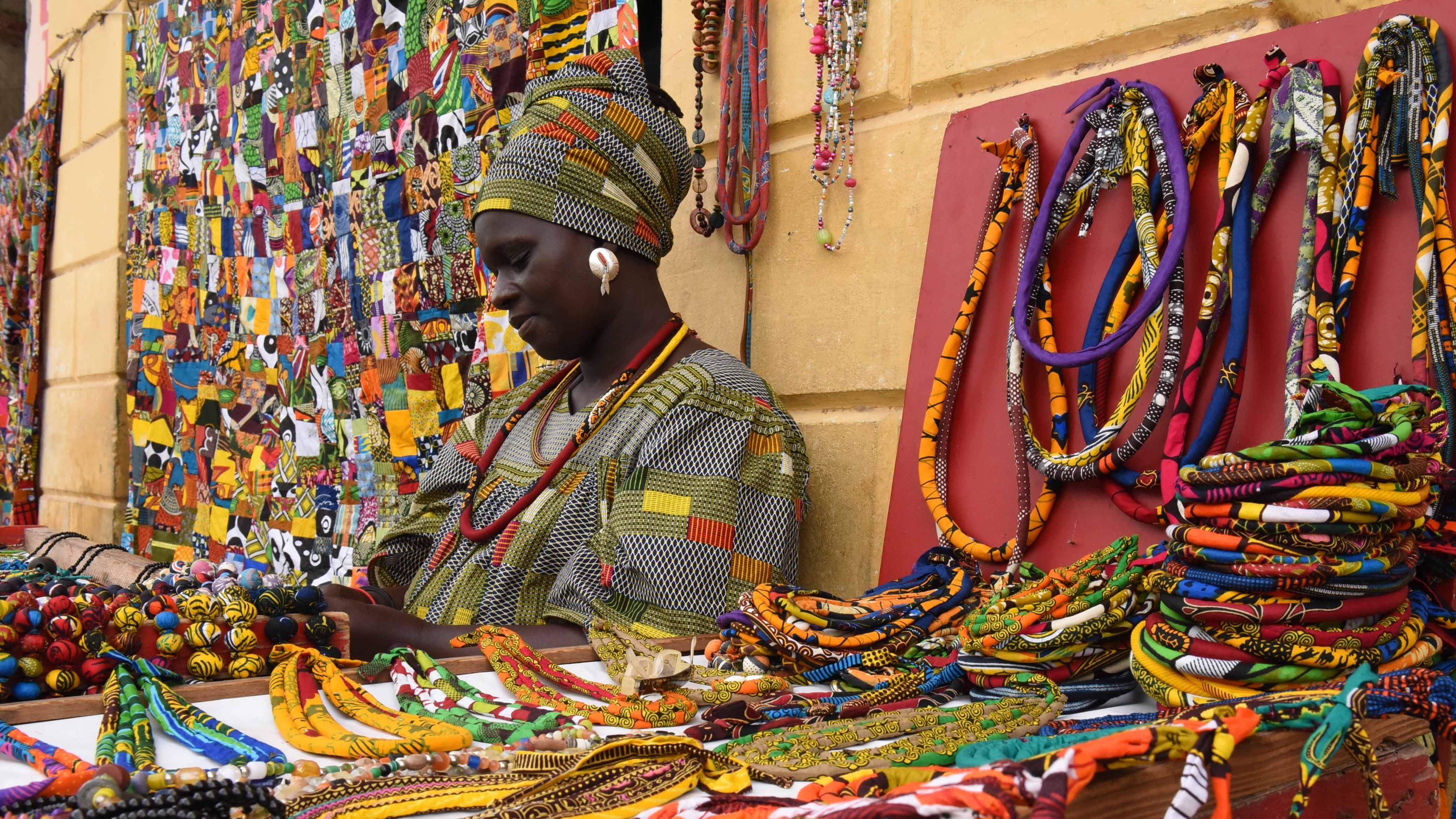
Small and Medium-Sized Enterprises
SMEs are the backbone of the local economy and essential for job creation and community strengthening:
- Networks: Creating cross-border networks could enable businesses to share resources, knowledge, and markets.
- Market Access: Regional markets could be supported through joint trade platforms or fairs, giving local businesses opportunities to showcase their products and attract customers.
Financial Support: The Africa Region could establish special funding programs, including microloans or grants, to support SME growth
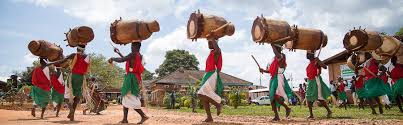
Tourism
Tourism presents significant potential for economic growth and strengthening the region’s cultural identity:
- Cross-Border Offers: Developing joint tourist routes and programs could highlight the region’s unique landscapes, traditions, and historical sites.
- Eco-Tourism: Environmentally friendly tourism concepts could protect the region’s flora and fauna while generating economic benefits.
- Cultural Tourism: Festivals, traditional ceremonies, and cultural experiences could attract visitors worldwide and raise awareness of Ewe culture.
- Infrastructure: Investments in tourism infrastructure such as hotels, restaurants, and transportation could improve access to the region’s attractions.
Conclusion: Economic Integration as a Driver of Development
Economic integration in the Africa Region Eweland would not only foster trade and cooperation but also create a stable foundation for long-term prosperity and sustainability. Establishing a common economic area, collaborating in the agricultural sector, supporting SMEs, and promoting tourism would enable the region to fully leverage its economic potential. Close economic ties would also strengthen regional bonds and serve as a model for other African regions facing similar challenges.
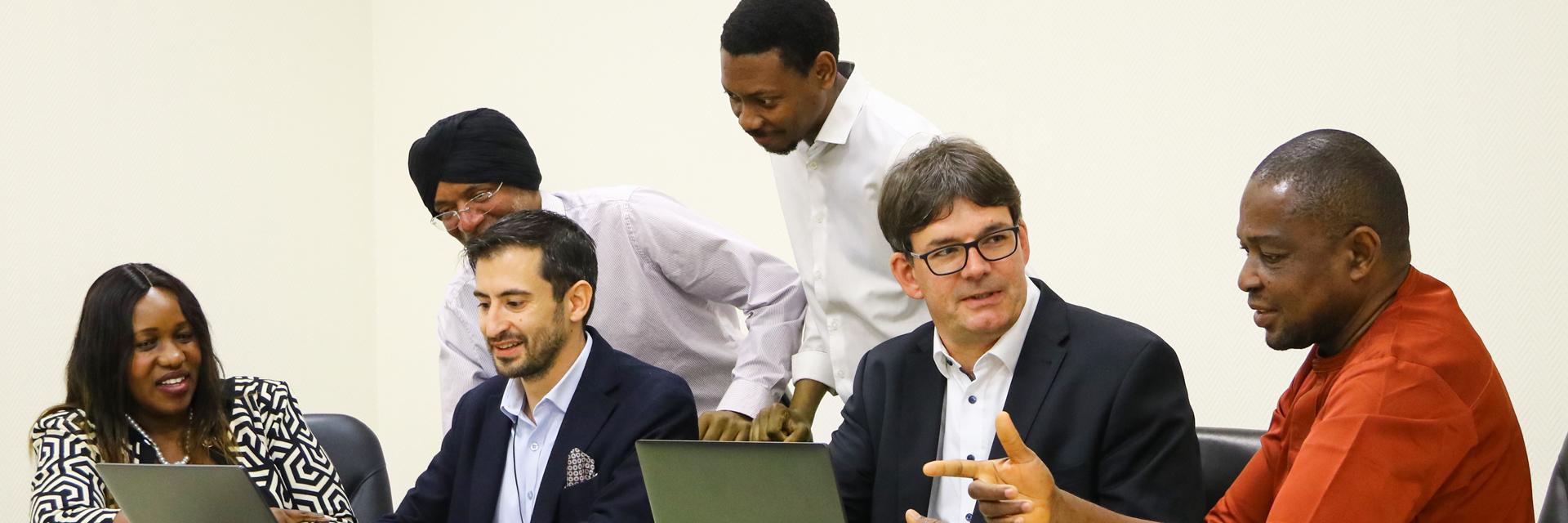
Return and Knowledge Transfer
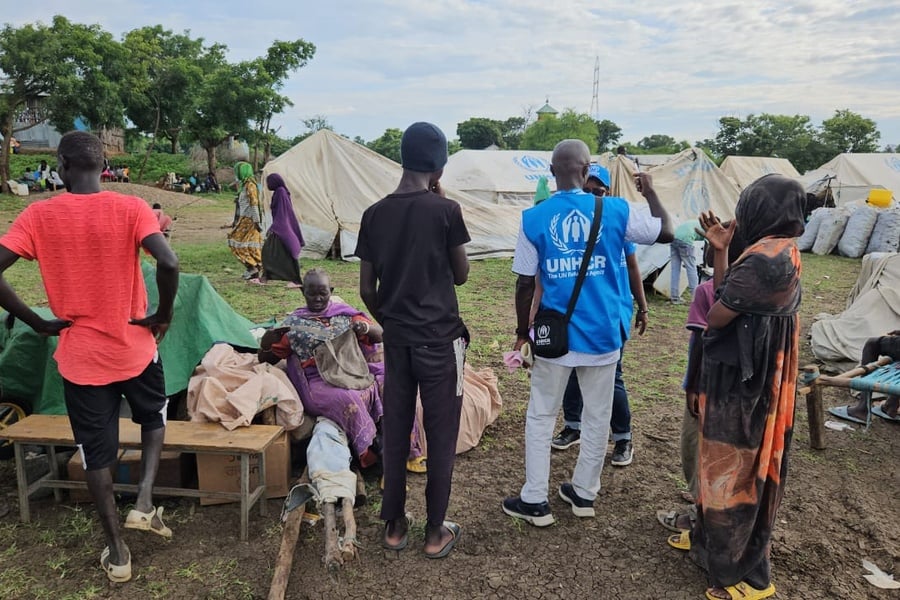
The diaspora holds immense potential for knowledge transfer to the homeland. Returning migrants can introduce new perspectives, technological innovations, and best practices learned abroad to contribute to the development of the Africa Region Eweland. It is essential to establish structures that facilitate this transfer through:
- Mentoring Programs: Returning migrants can share their knowledge with local communities, contributing to capacity building.
- Workshops and Training: Organizing seminars where migrants can share expertise in fields such as technology, entrepreneurship, education, or agriculture.
- Diaspora Partnerships: Encouraging collaborations between diaspora organizations and local initiatives to create synergies.
Support for Returnees
To facilitate the return of migrants, the Africa Region Eweland should develop specialized support programs. These include:
- Financial Support: Establishing a fund to assist migrants in implementing projects and business ideas in their home region.
- Logistical Assistance: Providing guidance on legal and administrative matters related to returning, such as visas, tax regulations, or property issues.
Housing and Employment Opportunities: Assisting returnees in finding housing and job placements to ease their reintegration
Promotion of Entrepreneurship
A key aspect of reintegrating returnees is fostering entrepreneurship. Returning migrants should be encouraged to leverage their experiences to create business models that utilize local resources and generate employment. Measures in this area could include:
- Startup Support: Providing seed capital and technical assistance for migrants aiming to start businesses.
- Networking: Establishing networks between returnees, local entrepreneurs, and investors to facilitate cooperation and idea exchange.
- Innovation Hubs: Creating innovation centers that offer returnees access to modern technologies and expertise.
Socio-Cultural Reintegration
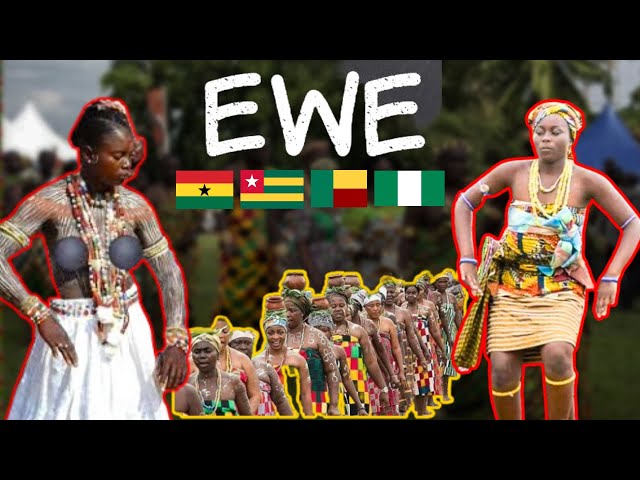
Beyond economic and professional reintegration, social and cultural reintegration is crucial. Migrants should be supported through programs that reconnect them with the community and promote their engagement with traditional Ewe culture. Initiatives could include:
- Language and Cultural Courses: Providing courses to help returnees adapt to local life.
- Community Events: Organizing gatherings where returnees and locals can interact and strengthen social bonds.
- Psychosocial Support: Offering counseling services to assist returnees in adjusting to their new lives.
International Cooperation
The Africa Region Eweland should collaborate with international organizations and governments in Europe to facilitate the return of migrants. This could be achieved through bilateral agreements that support knowledge transfer and mobility.
Conclusion
The integration of migrants is a core component of the Africa Region Eweland’s vision. It offers an opportunity to harness the strength and potential of the diaspora for regional development. By providing targeted support, promoting entrepreneurship, and fostering cultural reintegration, the return of migrants can become a powerful driver of sustainable progress and prosperity in the region.

Language Promotion
The Ewe language is an indispensable part of the region’s cultural identity and a unifying factor among communities in Ghana and Togo:
- Language Programs in Schools and Universities: Introducing Ewe as a subject in schools would help pass the language on to the next generation. It could be included as a mandatory or elective subject in primary and secondary schools, while universities could offer Ewe studies programs for academic exploration.
- Learning Materials: Developing modern textbooks, apps, and online resources to facilitate language learning and accessibility.
- Bilingual Education: Promoting bilingual programs (Ewe and official languages like English or French) to enhance both cultural and professional competencies among students.
- Workshops and Courses: Organizing language workshops and summer courses for both locals and the Ewe diaspora to improve their proficiency.
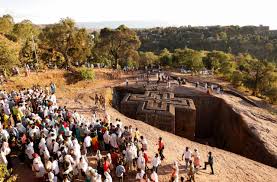
Cultural Centers
Cultural centers play a vital role in preserving and passing on Ewe traditions:
- Preserving Traditions: These centers could house collections of traditional artifacts, artworks, and music to make Ewe cultural heritage visible and accessible.
- Educational Programs: Offering courses and workshops on traditional crafts such as weaving, pottery, drum-making, music, and dance.
- Research and Documentation: Dedicated to documenting customs, rituals, and oral traditions to preserve this knowledge for future generations.
- Community Hubs: Serving as meeting points for local communities to strengthen social ties and facilitate exchanges between different regions.
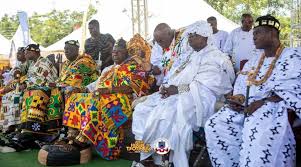
Cultural Events
Festivals and celebrations are expressions of community, pride, and unity in Ewe culture:
- Hogbetsotso Festival: This traditional festival, symbolizing the Ewe’s escape from oppression, could serve as a flagship event for the Africa Region Eweland. It provides an opportunity to engage not only the local population but also tourists and the Ewe diaspora.
- Music and Dance Events: Organizing competitions, concerts, and workshops to highlight the rich musical and dance traditions of the Ewe.
- Interregional Celebrations: Hosting festivals that connect the three regions—Volta, Maritime, and Plateau—to strengthen community bonds and promote mutual understanding.
- Cultural Calendar: Creating an annual calendar featuring all significant events and celebrations to increase the visibility of Ewe culture and encourage broader participation.
Cultural Cooperation as a Key to Strengthening Identity
Promoting cultural cooperation is essential for reinforcing the identity and unity of the Ewe population across national borders. Language programs, cultural centers, and events provide platforms for preserving and actively living Ewe culture. By supporting these initiatives, not only is cultural heritage safeguarded, but a strong sense of community is also fostered, forming the foundation for further social and economic collaboration. The Africa Region Eweland could thus become a shining example of the importance of cultural unity and diversity in Africa
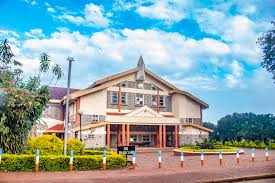
Cross-Border Universities
Collaboration between universities in Ghana and Togo is a central measure to strengthen education and research in the Eweland African region:
- Exchange Programs: Universities in the Volta Region, Maritime Region, and Plateau Region could organize exchange programs for students and faculty. These programs would not only promote knowledge exchange but also strengthen the sense of community and cooperation between the regions.
- Joint Degree Programs: Development of binational degree programs focusing on topics such as sustainable agriculture, renewable energy, regional economics, and cultural studies. These programs could address the specific needs and challenges of the region.
- Research Partnerships: Establishment of joint research centers focusing on regional issues such as climate change, health, technology, and cultural heritage. These centers could help develop innovative solutions to regional problems.
- Digitalization of Education: Use of modern technologies, such as e-learning platforms, to provide cross-border access to educational content, especially in remote areas.

Scholarship Programs
Scholarship programs play a crucial role in fostering talent and retaining skilled professionals in the region:
- Financial Support: Providing scholarships for needy but talented students who wish to pursue their education in the region. This allows access to education regardless of financial constraints.
- Return Incentives: Introducing incentives for graduates to stay and work in the region after their studies. This could include loan forgiveness or additional funding.
- Promotion of Key Fields: Awarding scholarships specifically in fields that are important for regional development, such as engineering, medicine, education, and agricultural sciences.
- Support for the Ewe Diaspora: Programs that also involve members of the Ewe diaspora could help strengthen the connection to the region and bring back the knowledge acquired.
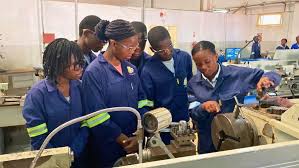
Vocational Training
Promoting vocational education is crucial for strengthening economic development and the labor market in the Africa region of Eweland:
- Crafts and Technology: Establishment of specialized vocational schools focusing on fields such as construction, mechanics, electronics, and traditional crafts like weaving and pottery.
- Dual Training System: Introduction of a dual system that combines theory and practice. Companies and businesses could actively participate in training to provide trainees with practical experience.
- Certifications: Creation of a recognized regional certification system, allowing graduates to utilize their qualifications in both Ghana and Togo.
- Further Education: Development of programs for professional upskilling to keep the existing workforce updated with the latest technology and methodologies.
Conclusion: Education and Research as Key to Regional Transformation
The promotion of education and research in the Africa region of Eweland is a crucial step towards sustainable development and the transformation into a knowledge-based society. Cross-border universities can deepen academic and scientific cooperation, while scholarship programs nurture talents and retain professionals in the region. Enhanced vocational education helps strengthen the region’s economic foundation and prepares the labor market for the future. Education is not only a tool for personal success but also a driving force for peace, unity, and prosperity in the Africa region of Eweland.
Transportation Connections
Physical connectivity between the regions of Eweland is essential for promoting trade, mobility, and exchange. Coordinated transport infrastructure development will support the integration of Ghana’s Volta Region and Togo’s Maritime and Plateau Regions:
- Road and Highway Expansion: The construction of a highway from Accra through the Volta Region to Lagos (Nigeria) is a central project. This transport corridor will not only connect Eweland but also serve as a key route for Pan-African trade.
- Railway Connection: A planned railway line from Accra to Lagos, passing through the Volta Region, will facilitate cross-border freight and passenger transport. This will particularly benefit the agricultural and manufacturing industries by enabling more efficient transportation of goods.
- International Airport in Ketu: The construction of a new international airport in the Ketu district will directly connect the region to international markets, attracting investors and boosting tourism.
- Deep-Sea Port in Keta: The proposed deep-sea port in Keta will become a logistical hub for international trade and maritime transport in West Africa. The port will not only facilitate the export of agricultural products and resources but also create jobs and stimulate the regional economy.
- Cross-Border Road Projects: Expanding roads connecting smaller communities and cities within the region will improve mobility, making markets, schools, and healthcare centers more accessible.
Communication
A modern digital infrastructure is essential for the development of the Africa region of Eweland, ensuring efficiency in communication, education, business, and governance:
- Broadband Internet: Expanding broadband internet access will reduce the digital divide in rural areas and enable access to online services such as education, telemedicine, and e-commerce.
- Mobile Networks: Improving mobile network coverage and increasing network stability, especially in remote areas, will facilitate information exchange and access to modern technology.
- Digital Platforms: Creation of joint digital platforms for cross-border cooperation in education, administration, and commerce. Such a platform could also promote the Ewe culture and language, strengthening regional identity.
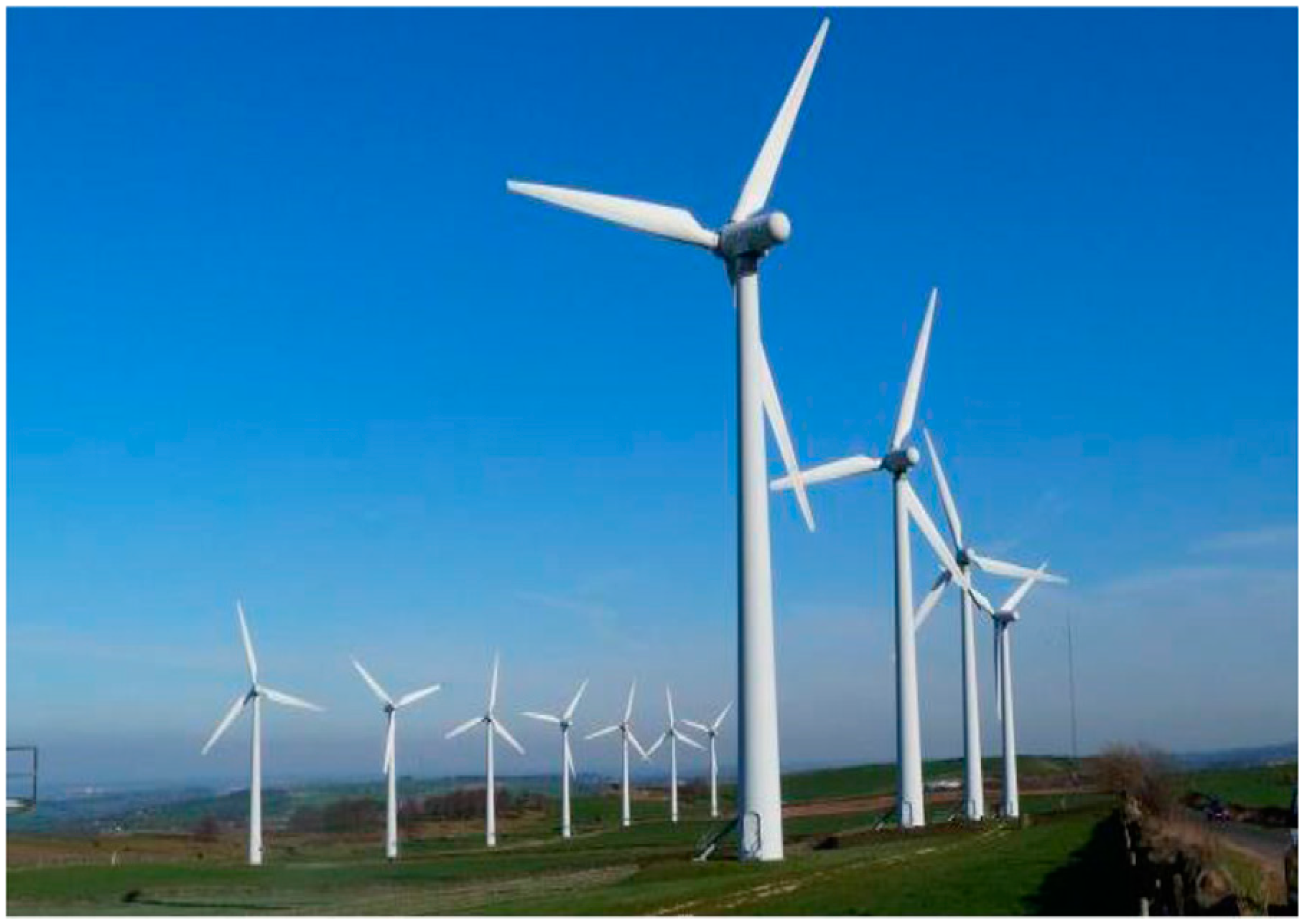
Energy Supply
A reliable and sustainable energy supply is essential for the development of industries, trade, and the quality of life in the Africa region of Eweland:
- Renewable Energy: Development of joint projects for utilizing solar energy, wind power, and biomass. The region has great potential for renewable energy, which can be better harnessed through cross-border cooperation.
- Gas Pipeline from Accra to Lagos: The planned gas pipeline will provide a stable energy source for households and businesses while fostering industrial development in the region.
- Electrification of Rural Areas: Expanding electricity supply in rural areas will boost economic development and improve living conditions for residents.
- Energy Efficiency: Implementation of programs to enhance energy efficiency, conserving resources and reducing costs.
Conclusion: Infrastructure as a Driver of Integration and Development
Planned projects to improve transport connectivity, digital infrastructure, and energy supply will profoundly transform the Africa region of Eweland. Expanding roads, railways, airports, and ports will better connect the region and facilitate cross-border exchange. Modern communication technologies and sustainable energy supply will form the foundation for economic dynamism, social cohesion, and environmental responsibility. These infrastructure investments not only provide a basis for growth but also promote long-term peace and prosperity in the region.

Dialogue Platforms
Open and continuous communication is essential to resolving misunderstandings, addressing conflicts, and building trust among the various groups in the region:
- Regular Meetings: Establishment of dialogue forums where representatives from Ghana’s Volta Region and Togo’s Maritime and Plateau Regions meet. These meetings should include traditional leaders, policymakers, youth groups, and religious figures.
- Conflict Resolution: Development of mediation programs based on the specific cultural and historical backgrounds of the Ewe community to resolve tensions and historical conflicts.
- Trust-Building: Joint celebrations, cultural events, and sports competitions to strengthen relationships between regions and break down prejudices.
- Cooperation with International Partners: Support from organizations such as the African Union (AU) or ECOWAS to provide professional moderation and long-term conflict resolution strategies.
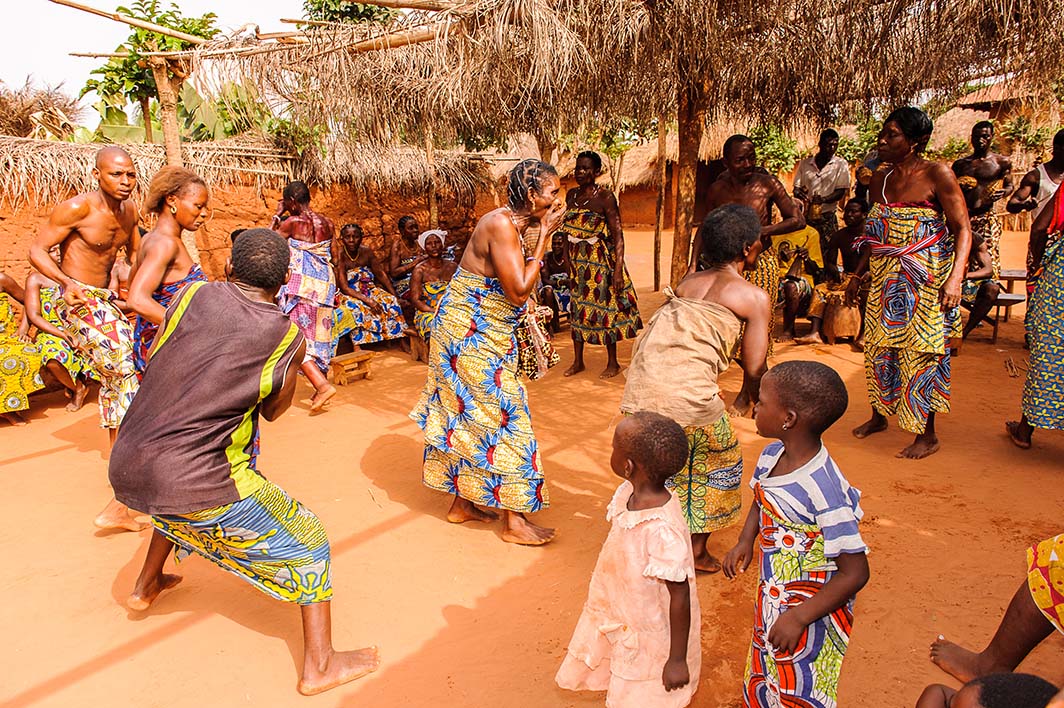
Social Projects
Reducing social inequalities and improving the well-being of the population require the implementation of joint social projects:
- Healthcare Programs: Establishment of a cross-border health network to improve access to medical care in rural and disadvantaged areas. Mobile clinics and joint vaccination campaigns could play a key role.
- Poverty Alleviation: Development of programs to create jobs, particularly in rural areas, including microcredit programs, entrepreneur training, and support for women and youth.
- Educational Initiatives: In addition to infrastructure improvements, social projects should focus on education to reduce illiteracy and improve school access.
- Welfare Programs: Introduction of support programs for vulnerable groups such as the elderly, orphans, and people with disabilities.
Conclusion: Social Networking and Peace as the Foundation for Development
A peaceful coexistence within the Eweland African region is key to creating a stable and prosperous community. Dialogue platforms help overcome historically rooted conflicts, while social projects improve the quality of life for the population and promote social justice. Active involvement of citizens in decision-making processes fosters a sense of solidarity and personal responsibility. These measures lay the foundation for a region that looks to the future, strengthened both culturally and socially.
National Budgets
The participating countries, Ghana and Togo, should play a leading role as key actors in the Eweland African region in providing financial resources:
- Regular Contributions: Annual allocations from national budgets specifically for the development of the region.
- Dedicated Funds: Creation of a separate regional budget earmarked for infrastructure, education, social programs, and cultural cooperation.
- Resource Allocation: Promotion through targeted investments in cross-border projects like roads, schools, and healthcare facilities, which will benefit both countries in the long term.
- Sustainable Budget Planning: Ensuring that funding from national budgets is secured in the long term to guarantee the region’s stability.
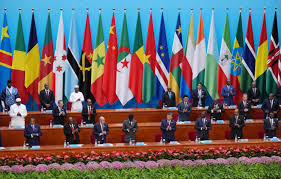
International Partners
Support from global and regional organizations is crucial to reduce the financial burden on the participating countries and bring in international expertise:
- African Union (AU): Financing projects aligned with the AU’s goals for integration and development, particularly in the areas of peace and infrastructure.
- ECOWAS: Providing funds for projects that promote regional cooperation, such as expanding trade relations and transportation networks.
- United Nations (UN): Support through development programs (UNDP) and peace initiatives. Projects like educational support or climate protection could be financed through specific UN funds.
- European Union (EU): Inspiration from the European region of Tyrol and provision of funds for pilot projects, particularly in the fields of cultural cooperation and economic integration.
Private Investments
Private companies can be encouraged to actively participate in the development of the Eweland African region through targeted incentives:
- Public-Private Partnerships (PPP): Collaboration between the government and companies on large projects like building transportation networks, ports, or energy facilities.
- Tax Incentives: Introduction of tax breaks or subsidies for investments in sustainable and innovative projects, such as renewable energy or tourism.
- Support for Start-ups: Assistance for local entrepreneurs through incubation programs, access to credit, and the creation of markets for small and medium-sized enterprises.
- International Investors: Attracting investors from other African countries or globally to increase the region’s economic attractiveness.
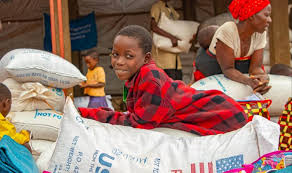
Donations and Funds
Mobilizing additional funds through donations and special development funds is a flexible way to expand the financial base:
- Development Funds: Establishing an “Eweland Development Fund” specifically for cross-border projects. This fund could be contributed to by both national and international actors.
- Donation Campaigns: Initiatives targeting the global Ewe diaspora as well as philanthropic organizations to collect donations for educational or cultural projects.
- Crowdfunding: Utilizing modern platforms to raise funds for smaller projects such as building schools, equipping hospitals, or preserving cultural sites.
- Civil Society Support: Collaborating with NGOs that can provide financial and organizational support for project implementation.
Conclusion: A Diversified Funding Model
The financing of the Eweland African region should be based on a diversified model that combines national responsibility, international support, private investments, and community contributions. This combination not only allows for the realization of the planned measures but also strengthens trust and cooperation between the involved actors. A solid financial base is essential to transform the long-term vision of the Eweland African region into reality.